shapesounds
Music for Everyone
Shapesounds LLC provides flexible, personalized, in-home music lessons and music therapy to people of all ages and abilities in the San Francisco East Bay.
Since first starting to teach music while an undergraduate, James Crocker has worked for over 30 years with many hundreds of students in private practice, as well as through Arabesque Conservatory, the Community School of Music & Arts, and Devon Youth Music.
All sessions begin with the goals and needs of the student in mind, with flexiblity for changing energy levels, emotional state and interest. Whether the focus is on musical development, personal expression, mood regulation, or physical movement the student will always find a positive and encouraging environment.
With such a wide variety of needs, strategies can vary greatly, from student to student, session to session and moment to moment. Sometimes the best approach is the structure of traditional music lessons, with emphasis on technique and repertoire. Other times call for an informal jam session, where improvisation is used for self-expression, and where the student can be guided to experience musical concepts first-hand. Sometimes we sing to aid language development or listen to gentle sounds to soothe the nervous system. In some cases, music lessons can include other family members or friends. If you have questions about how a music session might look for you or your child, please use the contact form here. Typically, our time will include elements from the following areas:
Learning to play an instrument is both challenging and rewarding, providing many well-documented benefits, including:
Decisions on the direction of learning are made together with the student and families, Material is age and developmentally appropriate. Whether learning guitar, piano, ukulele, drums, keyboards, recorder or another instrument, the focus is on developing confidence, musicality, and self-expression.
Neurodiverse learners can benefit greatly from being connected to music through singing, dancing, playing, and listening. Approaches may include simplified language, softer instruments, increased repetition, slower pacing or specialized repertoire.
Individuals with memory loss, depression, anxiety, or other mental health challenges can also benefit from musical engagement, aiding regulation, communication, and emotional integration. Self-expression can be encouraged with improvisation and composition.
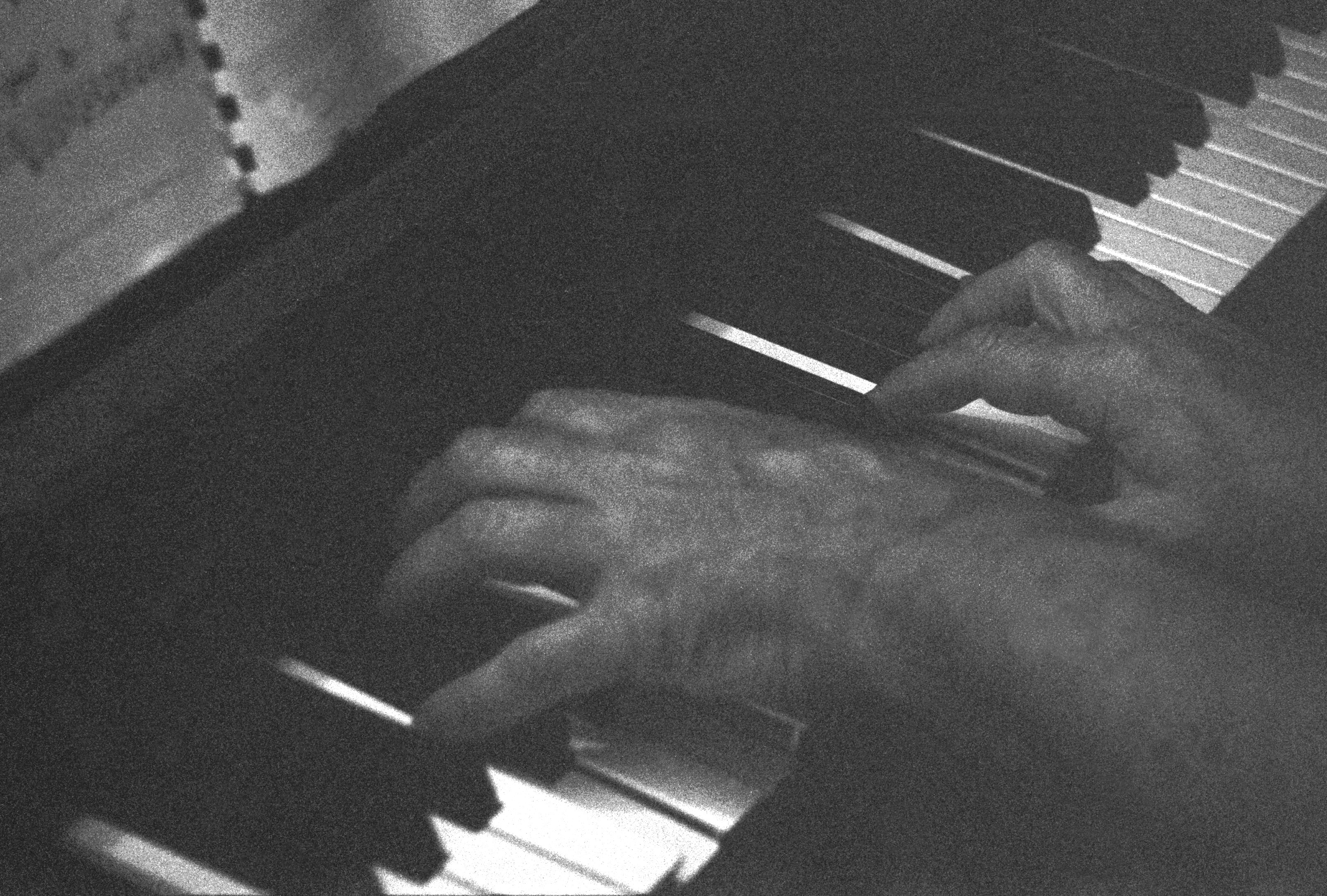
Developing an understanding of the ideas underpinning music is important for any musician or music lover; music theory helps make sense of what we hear. From do-re-mi to complex harmony, and encorporating the physics of sound, music history and musical traditions, there is a lot to discover at every stage of learning!
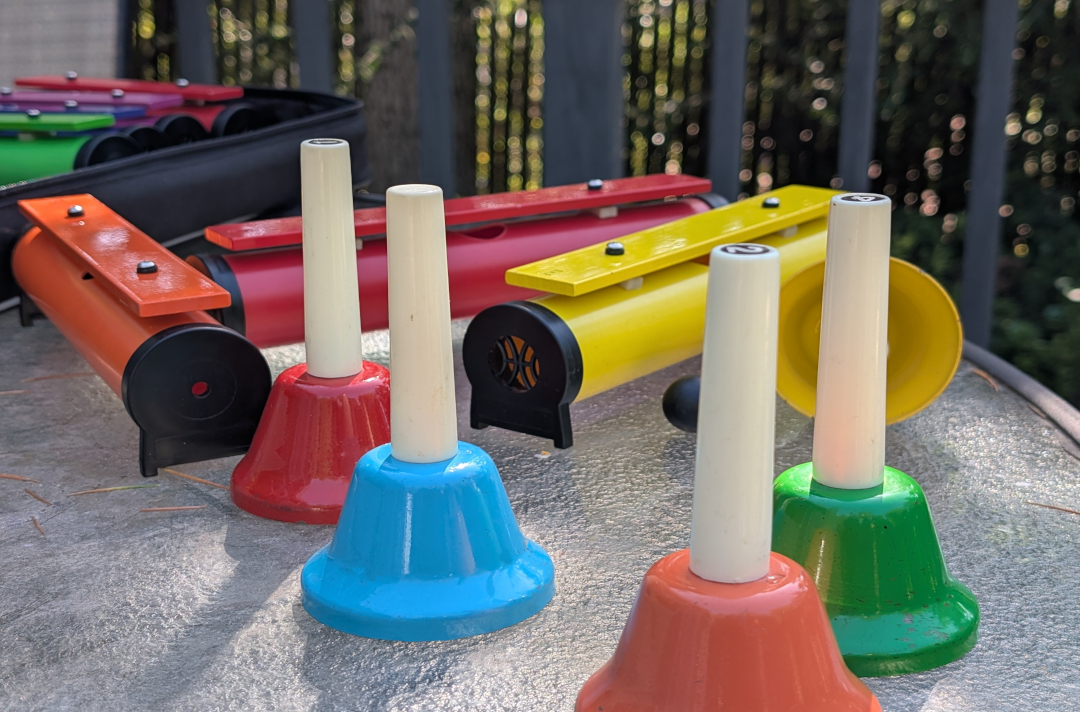
For younger or neurodiverse musicians, sessions may focus on creative interaction with sound and experimenting directly with music fundamentals:
Simple games, exercises and pieces help the student experience these fundamentals and experiment with them. This approach encourages curiosity and play-based learning, and can also be very useful for non-verbal and language-delayed students.
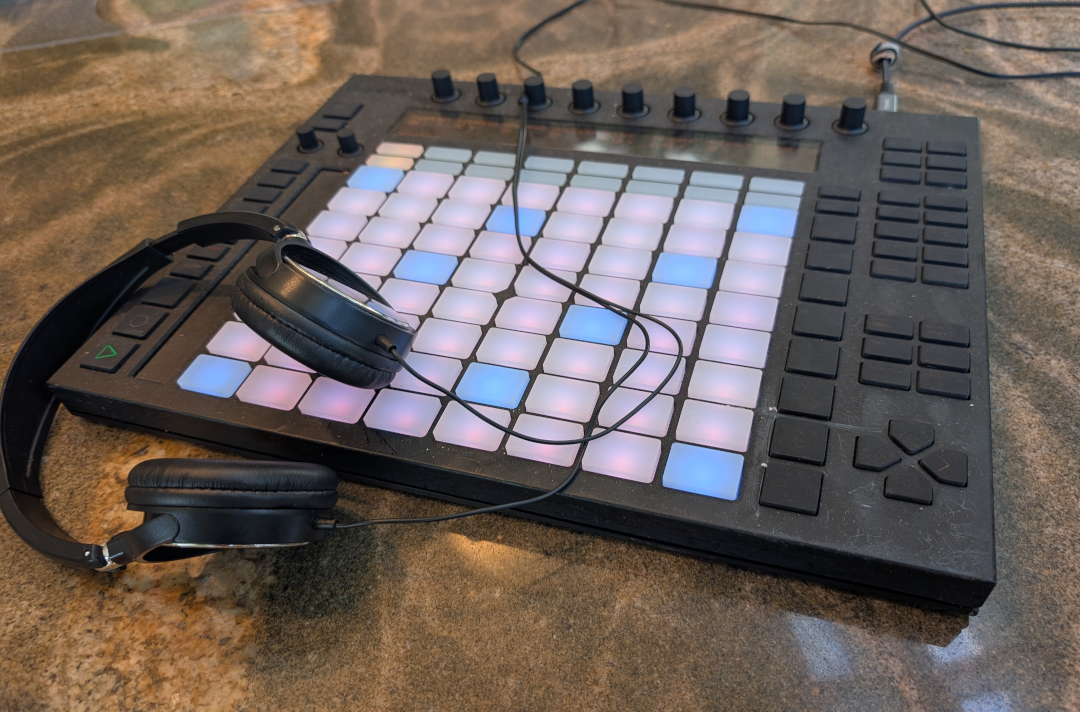
Students can explore the basics of recording, sampling, sequencing and sound synthesis; developing an understanding of how modern music is produced.
These are original and precise sound patterns that entrain fundamental body rhythms, including breathing rate, heart rate variability, and neural activity. From the gentle waves of sound emerges a desired state of relaxation or alertedness.
Try for yourself here....Preferences of the student can be incorporated; for example, choosing different ambient noises, catering to music tastes, deciding on overall duration, adjustment time (how quickly to get to the target), talking and so.
Please share your thoughts and questions here
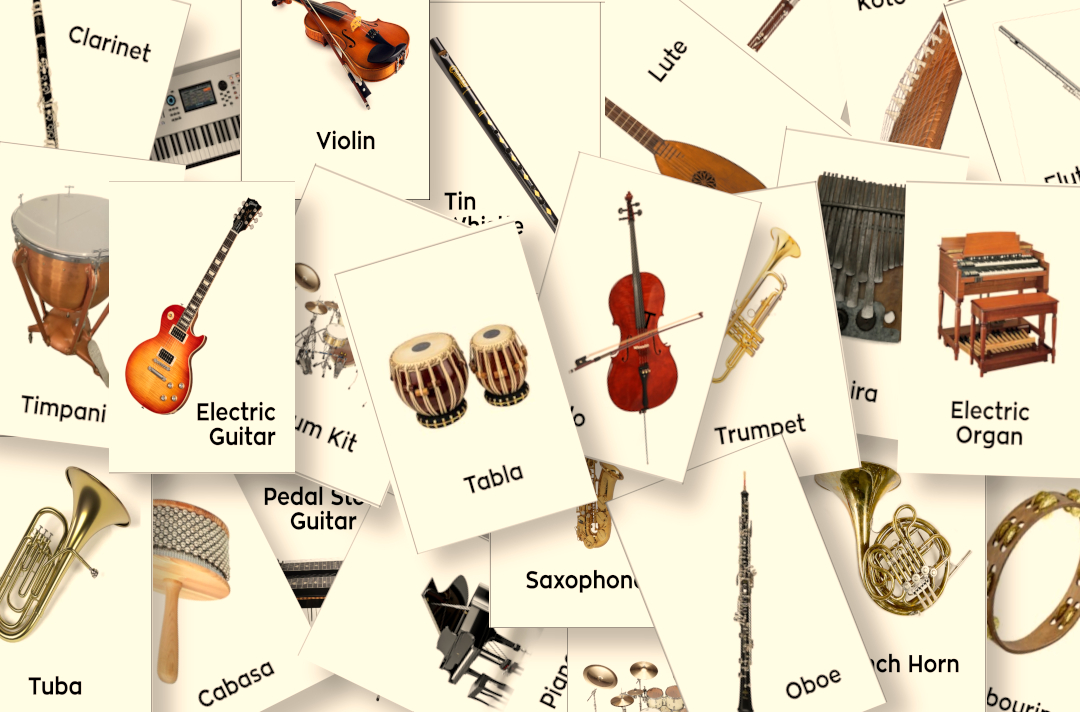
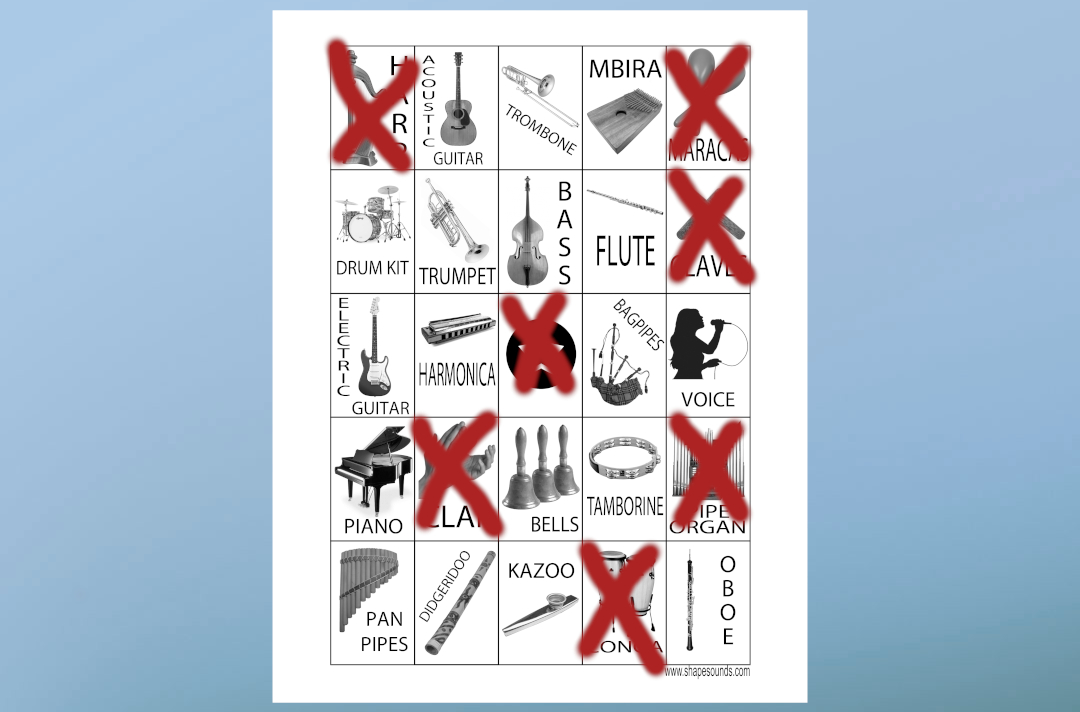
Learn to identify musical instruments by sound with this engaging bingo game. Featuring 34 audio clips and printable bingo cards, it's perfect for music classes, homeschool activities, group games, and ear-training practice.
.
Like a metronome for scales! Using Shepard-tone style audio illusions, these guides generate the perception of continuously ascending and descending scales without obvious octave boundaries. This allows uninterrupted practice of scales, arpeggios, and melodic sequences across unlimited octaves. Because the scale ends where it began, performers can seamlessly recover from mistakes without restarting playback. Useful for all instrumentalists at any levels.
Games like Guitar Hero and Beat Saber have shown how exciting and fun music learning can be! Rhythm games naturally build coordination, timing, listening skills, pattern recognition, and musical confidence while players simply enjoy playing. However, for many younger or neurodiverse students, even beginner modes can still feel too fast or overstimulating. The following games were designed to provide a more accessible learning environment for these users.
.Some common harmonic sequences to play along with. Loop-based accompaniment can be particularly effective for beginners and neurodiverse learners by reducing processing demands while reinforcing timing, auditory processing, coordination, and musical fluency.
.A solo fingerstyle guitar piece written for a dragonfly who visited every day during the Covid lockdown
The Neural-Correlate Society shortlisted this experimental piece for their Best Illusion of the Year Competion in 2023. It was the first audio illusion ever shortlisted! It is similar to a Risset Rhythm, but by using probabilities instead of volume the beats can be less repetetive. Try clapping along!
An original audio illusion, using aleatory music to create a constantly downward pitch gravity